
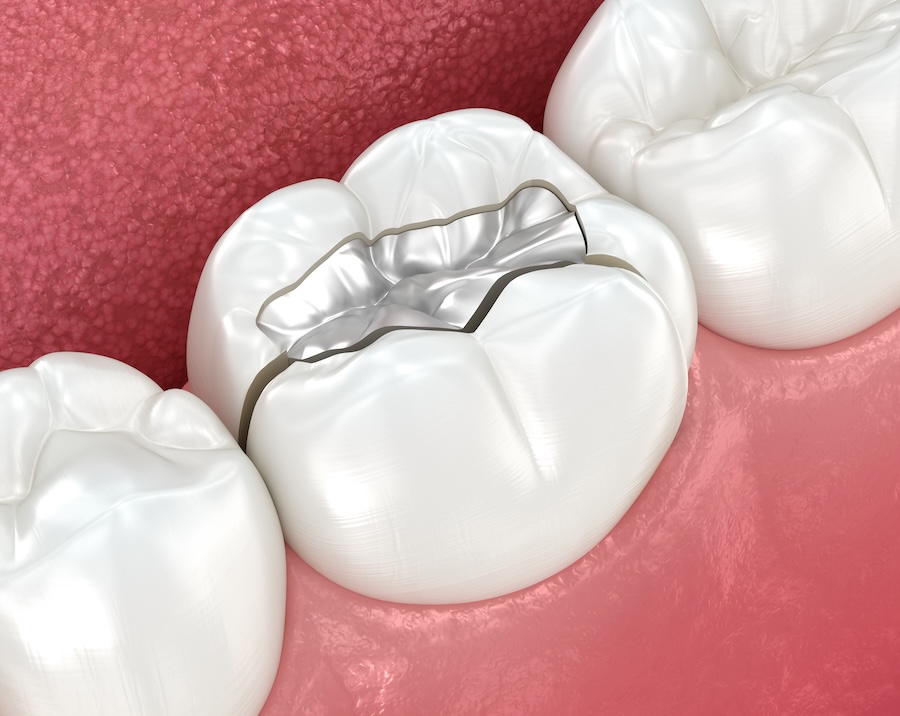
A chipped tooth, cracked tooth, or lost filling has a way of hijacking your day. One minute you are eating lunch, laughing with someone, or biting down on something that seemed harmless. The next minute your tongue is finding a sharp edge, your tooth feels strange, or you are staring at a piece of tooth or filling in your hand and wondering what to do.
At that point, it helps to know what deserves quick attention and what can safely wait for the next available visit. A small chip may be mostly cosmetic, but a deeper crack can spread when you bite down. A lost filling may not hurt right away, yet it can leave the tooth exposed to sensitivity, bacteria, and more damage if it is ignored.
That is why calling the dental office is usually the smartest first move. At Cary Family Dental in Cary, IL, Dr. Niraj Patel can evaluate the tooth, explain what is happening, and help you decide the right next step. If you have pain, swelling, a sharp broken edge, a cracked tooth, or a lost filling, getting the tooth checked can help protect it before the problem becomes harder to fix.
When Is a Dental Problem an Emergency?
A dental emergency is any dental issue that needs prompt attention to relieve pain, stop damage, treat infection, or protect a tooth. Sometimes that means severe swelling or a knocked-out tooth. Other times, it is a broken filling, a cracked tooth that hurts when you chew, or a sharp edge that keeps scraping your tongue every time you talk.
You should call an emergency dentist if you have severe tooth pain, swelling, bleeding that does not stop, a knocked-out tooth, a cracked tooth, a broken tooth, a lost crown or filling, or signs of infection. Pain with fever, facial swelling, pus, or trouble swallowing should be treated urgently.
Even when the tooth is not painful, it is still worth calling if part of it broke or a filling came loose. Teeth can stay quiet for a while, especially when the nerve has not been irritated yet, but an open or weakened tooth can become more sensitive, crack further, or develop decay if it is left alone.
When you call Cary Family Dental, describe what happened and how the tooth feels. The team can help you decide whether you need a same-day visit, a soon appointment, or short-term steps until Dr. Patel can take a look.
What to Do First After a Tooth Breaks
Start by rinsing your mouth gently with warm water. This helps clear away food particles, blood, or small fragments without scrubbing the tooth. If there is swelling, place a cold compress on the outside of your cheek for short intervals, and try to keep pressure off the injured area.
Next, save any piece of tooth, filling, or crown that came out. It may not always be reusable, but it can help Dr. Patel see what broke and how much structure may be missing. Put the piece in a small container or bag and bring it with you to the appointment.
Until the tooth is evaluated, avoid chewing on that side of your mouth. A chipped, cracked, or unfilled tooth may be weaker than it feels, and one hard bite on the wrong spot can turn a small repair into a bigger one. If the edge is sharp, dental wax from a pharmacy can sometimes cover it temporarily. Sugar-free gum may work in a pinch, but only if the tooth does not hurt when you chew and there is no risk of swallowing it.
Those temporary covers are not repairs, though. They are more like putting a towel under a leak until the plumber gets there. Helpful for the moment, but not something you want to rely on for long.
What to Do for a Chipped Tooth
A chipped tooth can range from a tiny enamel nick to a larger break that exposes deeper tooth structure. Since the size and depth of the chip affect treatment, it is worth having the tooth checked even if it does not hurt.
If the chip is small and painless, it may not require same-day care. Even so, a small rough edge can bother your tongue, collect stain, or become more noticeable over time. Dr. Patel may be able to smooth the edge, repair it with tooth-colored bonding, or recommend another restoration depending on where the chip is and how much tooth structure was lost.
If the chip is larger, painful, or sensitive to cold air or liquids, call Cary Family Dental promptly. Sensitivity can mean deeper tooth structure is exposed. If the chip reaches close to the nerve, the tooth may need more than a simple cosmetic repair.
In the meantime, avoid biting with the chipped tooth. Stay away from hard foods, crunchy snacks, ice, and sticky foods. Your tooth already lost a piece; it does not need to audition for another round.
What to Do for a Cracked Tooth
A cracked tooth can be harder to read because the damage is not always easy to see. You may feel pain when chewing, a sharp zing with cold drinks, or discomfort when you release your bite. Some cracks are obvious, while others hide in the tooth like a fine line in glass.
If you suspect a cracked tooth, stop chewing on that side and call the office. Cracks can spread when pressure continues, so the sooner Dr. Patel checks the tooth, the better the chance of protecting what remains.
Treatment depends on how deep the crack goes. A minor crack may need bonding or a crown, while a deeper crack may require root canal therapy if the nerve is affected. If the crack extends too far below the gumline, the tooth may not be restorable.
Pain when biting is a major clue. If the tooth hurts when you chew or when you let go after biting, do not wait weeks hoping it settles down. That pattern often means the tooth needs an exam, even if the tooth looks normal in the mirror.
What to Do for a Lost Filling
A lost filling can feel strange right away. Your tongue may find a hole, the tooth may feel sharp, or cold drinks may suddenly bother it. Sometimes there is no pain at first, which makes it tempting to wait and see what happens.
However, the tooth is no longer sealed the way it was. Without the filling, the area may be more vulnerable to sensitivity, decay, and cracking. Food can also pack into the open space, which is unpleasant and not good for the tooth.
Try not to chew on that side until the tooth is repaired. If the tooth is sensitive, avoid very cold, hot, sweet, or acidic foods for now. Some pharmacies sell temporary filling material that may cover the area briefly when used as directed, but it is not meant to replace a dental visit.
Dr. Patel can check why the filling came out. Sometimes an old filling loosens from wear. Other times, decay has formed around the edges, or the tooth structure underneath has cracked. The repair may be a new filling, a crown, or another treatment depending on what is left to support the tooth.
Pain, Swelling, or Infection Changes the Urgency
A chip, crack, or lost filling becomes more urgent when pain, swelling, or signs of infection are present. Dental infections can spread, so they should not be treated like ordinary tooth sensitivity or something to sleep off over the weekend.
Call right away if you have throbbing pain, swelling in the gums or face, a pimple-like bump on the gums, pus, fever, swollen lymph nodes, or a bad taste that keeps returning. These symptoms may mean bacteria have reached the nerve or surrounding tissues.
If swelling affects your face, jaw, eye area, throat, breathing, or swallowing, seek urgent medical care. Dental infections can become serious when they spread beyond the tooth.
For discomfort before your appointment, follow the office’s guidance. Over-the-counter pain relievers may help some patients, but do not place aspirin directly on the tooth or gums. It can burn the tissue and will not fix the source of the problem.
How an Emergency Dental Visit Works
During an emergency visit, Dr. Patel will first focus on finding the cause of the problem. The team will ask what happened, when symptoms started, what makes the tooth hurt, and whether you have sensitivity, swelling, or bite pain. The more clearly you can describe the pain, the easier it is to narrow down what may be going on.
From there, the exam may include checking the tooth visually, taking X-rays, testing the bite, checking gum tissue, and looking for cracks, decay, or exposed nerve tissue. These steps help determine how deep the damage goes and whether the tooth can be repaired with a simple restoration or needs more involved care.
Once the cause is clear, Dr. Patel can explain the treatment options. In some cases, the tooth can be repaired the same day. In others, the first visit may focus on relieving pain, stabilizing the tooth, or planning the right restoration.
The goal is to protect the tooth, get you comfortable, and choose the repair that fits the damage. A broken tooth is stressful enough; the appointment should help you leave with a clearer plan and fewer questions circling in your head.
Possible Treatments for a Chipped or Broken Tooth
Treatment depends on how much tooth structure was lost. A very small chip may only need smoothing if it is not affecting strength or appearance. A visible chip may be repaired with tooth-colored bonding, especially if the damage is on a front tooth and the remaining structure is strong.
If the chip is larger, a crown may be needed to protect the remaining tooth. Crowns cover and strengthen teeth that have lost too much structure for a simple filling or bonding repair. This can be especially important for back teeth, where chewing pressure is heavier.
If the inner nerve of the tooth is exposed or infected, root canal therapy may be needed before the tooth is restored. This can relieve pain and help save the tooth when the root is still healthy enough to support a restoration.
If a tooth is fractured too deeply or split below the gumline, it may not be restorable. In that case, Dr. Patel can explain extraction and replacement options. Nobody wants that outcome, but getting an exam early gives the tooth a better chance.
Possible Treatments for a Lost Filling
If the tooth is still strong and there is no deeper damage, Dr. Patel may replace the lost filling with a new tooth-colored filling. This can restore the tooth’s shape and help protect it from sensitivity and decay.
If the filling was large or the remaining tooth structure is weak, a crown may be recommended instead. A crown can cover the tooth and provide more support than another filling, which may be important if the tooth has already been through a lot.
If decay has formed under or around the old filling, that decay needs to be removed before the tooth is repaired. The final restoration will depend on how much healthy tooth structure remains after the area is cleaned.
If the tooth is painful or the nerve has been affected, root canal therapy may be needed. That is why it is better not to guess based only on pain. A tooth can feel fine at first and still need protection.
What Not to Do During a Dental Emergency
Do not keep chewing on a broken, cracked, or unfilled tooth. Even if it only feels slightly odd, repeated pressure can make the damage worse. It is better to eat on the other side until the tooth has been checked.
Do not use household glue to reattach a tooth piece, crown, or filling. It is not safe for the mouth and can make dental treatment harder. Dental materials are designed for the mouth; kitchen drawer fixes are not.
Do not ignore swelling, fever, pus, or severe pain. These symptoms can point to infection and need prompt attention. Also, do not assume that no pain means no problem. Teeth can chip, crack, or lose fillings without immediate pain, and while that may feel like good luck, it does not always mean the tooth is safe to ignore.
How to Lower Your Risk of Future Dental Emergencies
Not every dental emergency can be prevented, but some risks can be reduced. Avoid chewing ice, hard candy, popcorn kernels, pens, fingernails, and other hard objects. Teeth are strong, but they are not built for every crunchy decision life throws at them.
If you grind or clench your teeth, ask about a nightguard. Grinding can crack teeth, wear down enamel, and damage fillings or crowns. Many people grind at night without realizing it, then only find out after a tooth chips or a filling fails.
In addition, keep up with routine dental exams so older fillings, cracks, decay, and weakened teeth can be found early. A tooth that is already worn or cracked is more likely to break at an inconvenient time.
If you play sports or have an active lifestyle, a custom mouthguard may help protect your teeth from injury. A small amount of prevention can save a lot of scrambling later.
Emergency Dentist in Cary, IL
A chipped tooth, cracked tooth, or lost filling may be small, painful, or somewhere in between. Either way, it deserves attention. Rinsing your mouth, saving any broken pieces, avoiding chewing on that side, and calling the dental office can help protect the tooth while you wait to be seen.
At Cary Family Dental in Cary, IL, Dr. Niraj Patel can evaluate the damage, relieve discomfort, and explain whether you need bonding, a filling, a crown, root canal therapy, or another treatment. The sooner the tooth is checked, the easier it may be to prevent more damage.
If you need an emergency dentist in Cary, IL for a chipped tooth, cracked tooth, lost filling, tooth pain, or swelling, call Cary Family Dental. The team can help you understand what to do next and schedule the care you need.
FAQs
Is a chipped tooth a dental emergency? A small chip may not need same-day care, but it should still be checked. A painful, sharp, large, or sensitive chip should be evaluated promptly.
What should I do if I crack a tooth? Stop chewing on that side, rinse gently with warm water, and call Cary Family Dental. Cracks can spread with pressure, so the tooth should be examined.
What should I do if my filling falls out? Avoid chewing on the tooth, keep the area clean, and call the office. A lost filling can expose the tooth to sensitivity, decay, and further damage.
Can I use temporary filling material from the pharmacy? Temporary filling material may help cover the area briefly if used as directed, but it is not a permanent repair. Schedule a dental visit as soon as possible.
What symptoms mean I need urgent dental care? Severe pain, swelling, fever, pus, facial swelling, bleeding that will not stop, or trouble swallowing or breathing should be treated urgently.
How can I prevent chipped teeth and lost fillings? Avoid chewing ice or hard objects, wear a nightguard if you grind, use a sports mouthguard when needed, and keep up with routine dental exams.