
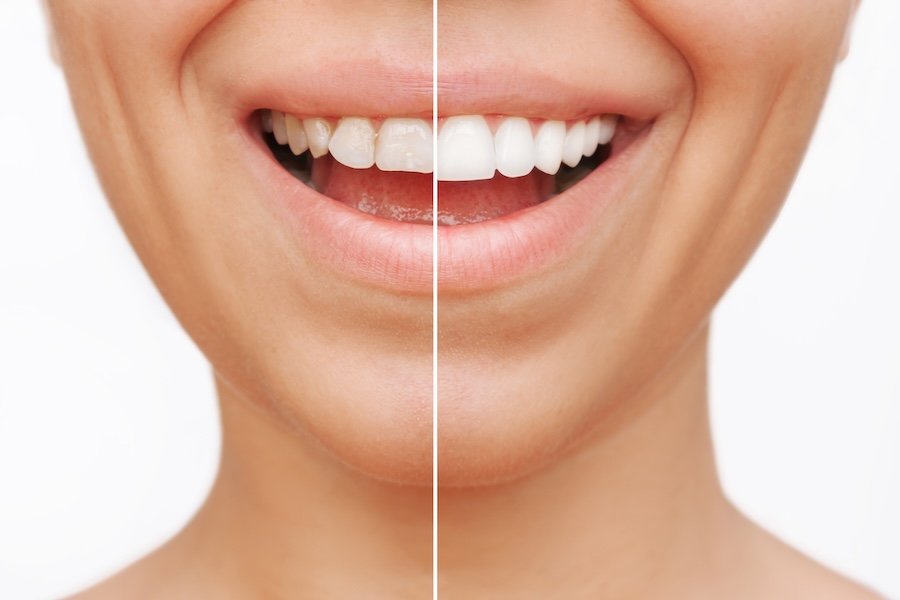
Sometimes it is one tooth that keeps catching your eye. Maybe a front tooth chipped years ago and has never looked quite the same. Maybe whitening helped some, but one darker tooth still stands out in photos. Or maybe your teeth are healthy, yet a few of them have always looked shorter, narrower, or more uneven than you would like.
Those concerns may not affect how you eat or speak, but that does not make them unimportant. A smile is part of how you see yourself in the mirror, in pictures, and in everyday conversations. When you have spent years covering your mouth when you laugh or zooming in on one tooth in every photo, it is reasonable to want a change.
Porcelain veneers are one option for improving the visible front surface of teeth. They are thin, custom-made porcelain shells bonded to the front of a tooth to adjust its color, shape, size, or overall appearance. Depending on your smile and goals, veneers may be placed on one tooth, a pair of front teeth, or several teeth that show when you smile.
At Cary Family Dental in Cary, IL, Dr. Niraj Patel helps patients sort through whether veneers fit what they actually want to change. Veneers can create a polished, noticeable update, but they are not the automatic answer for every chip, gap, or stain. The best starting point is a conversation about what bothers you, what your teeth need, and how much change feels right for you.
Veneers Can Cover Chips and Worn Edges
Small chips can make a front tooth look uneven, especially under bright bathroom lights or in close-up photos. Sometimes the chip happened in one clear moment, like biting into something hard. Other times, the edges slowly wear down from clenching, grinding, or years of normal use.
For a tiny chip, bonding may be enough. However, veneers can be worth considering when the front teeth have several worn edges, when the tooth shape needs more than a small repair, or when you want to improve color and shape at the same time.
For example, someone may have front teeth that look a little shorter than they used to, with uneven edges and mild staining that does not quite respond to whitening. Veneers can address those concerns together instead of treating each one separately. The result does not need to look dramatic. It can simply make the teeth look smoother, more balanced, and more like they did before wear became noticeable.
Dr. Patel will also look at why the wear happened. If grinding or clenching is part of the picture, that is worth addressing before or after veneers are placed. Otherwise, the same pressure that wore down the natural teeth can keep putting stress on the veneers.
Some Stains Do Not Respond Well to Whitening
Whitening can brighten many common stains from coffee, tea, red wine, tobacco, and everyday aging. Still, there are situations where whitening does not work evenly, no matter how carefully someone follows the instructions.
A tooth may have darkened after an old injury. It may have changed color after root canal treatment. Some enamel differences begin while teeth are developing, which can leave white, yellow, gray, or mottled areas that stay visible even after whitening.
That can be especially frustrating when one or two teeth look different from the rest of the smile. You may whiten your teeth and feel happy with the overall change, then notice the same darker tooth still standing out right in the middle.
Veneers can help cover that kind of discoloration and create a more even color across the front teeth. Since porcelain does not lighten after it is placed, whitening natural teeth first may be part of the plan. That way, Dr. Patel can choose a veneer shade that works with where you want your natural teeth to stay, rather than trying to chase a match later.
Veneers Can Improve Tooth Shape and Size
Some teeth are healthy but simply do not look the way a person wants them to. One front tooth may be smaller than the other. A lateral incisor may look narrow or pointed. Another tooth may sit a little lower than the teeth beside it, making the smile line feel uneven.
Veneers can change those visible details without moving every tooth. They can make a short tooth look a little longer, soften a pointed edge, widen a narrow tooth, or bring a few front teeth into better proportion with one another.
The amount of change should still make sense for the rest of the smile. A tooth that is made too wide or too long can look out of place, even if the veneer itself is beautifully made. That is why planning goes beyond choosing a color. Dr. Patel will look at how much tooth shows when you smile, the shape of your lips, the gumline, and the teeth beside the one being treated.
Some people are looking for a small adjustment that makes one tooth blend in better. Others want a more complete cosmetic update. Both can be possible, but the final design should feel like something you would be comfortable seeing every morning.
Small Gaps Can Sometimes Be Treated With Veneers
A small gap between front teeth can be one reason people start looking into veneers. Maybe it has always been there. Maybe it became more noticeable after teeth shifted slightly over the years. Either way, the gap can draw your attention every time you smile.
Veneers can sometimes close a small space by adding a little width to the teeth on either side. This can work well when the teeth are already close to the right position and the gap is the main cosmetic concern.
However, spacing is not always that simple. If there are several gaps, crowding elsewhere, or a bite that is not lining up well, orthodontic treatment may be a better fit. Moving the teeth can address the position itself rather than changing the visible shape to cover the space.
That is why it helps to have the full smile evaluated before deciding. A gap may look like one small issue from the front, but the way the teeth fit together can change which treatment makes the most sense long-term.
Veneers Can Help Mildly Crooked-Looking Teeth, Within Limits
A veneer can sometimes improve the appearance of a tooth that is slightly turned, uneven, or a little out of line. Maybe one front tooth sits just behind the others, or a small rotation makes it catch your eye in photos.
In some cases, changing the visible front surface can make the smile look more even. However, veneers do not physically move teeth. They cannot correct significant crowding, a major rotation, or a bite issue that affects how the teeth come together.
If a tooth sits far out of position, placing a veneer over it may require removing more enamel than is ideal or may leave the tooth looking bulky. Orthodontic treatment may be the better first step in that situation, even if veneers are still considered later for color or shape changes.
Dr. Patel can help sort out whether the concern is mostly cosmetic on the front surface or whether the tooth position itself deserves attention first. That distinction can keep you from choosing a treatment that looks good in the short term but does not suit the tooth underneath.
Healthy Teeth and Gums Come First
Veneers are cosmetic restorations, but they still need healthy teeth and gums underneath them. Before veneers are placed, Dr. Patel will check for cavities, gum inflammation, cracks, worn enamel, and problems with existing fillings or crowns.
If gums bleed often, look swollen, or have started pulling away from the teeth, that may need attention first. The gums frame the teeth, and their health affects how the veneer edges look and how easy they are to keep clean over time.
The same goes for active decay. A veneer cannot cover up a tooth that needs restorative care. If there is a cavity, crack, or old filling that is breaking down, the tooth may need treatment that is different from a veneer.
People who clench or grind can still be candidates, but that habit should be part of the plan. Constant pressure can be tough on front teeth and restorations. In some cases, a nightguard may be recommended after treatment to help protect the veneers and the natural teeth around them.
What Happens During a Veneer Consultation?
A veneer consultation usually starts with a simple conversation about what you notice when you smile. Some people come in knowing exactly which teeth they would like to change. Others only know that they are tired of hiding one chipped tooth or avoiding close-up pictures.
Dr. Patel will examine your teeth, gums, bite, and any existing dental work. He may also talk through whether whitening, bonding, orthodontics, or another option could address the concern with less change to your natural teeth.
If veneers seem like a good fit, the next conversation usually focuses on shade, shape, and how many teeth would be included. You may talk about whether you want a subtle change or a brighter, more polished result. Photos of smiles you like can be helpful, although they are usually a starting point rather than something to copy exactly.
By the end of the conversation, the plan should feel clear. You should know which teeth are being treated, what the veneers are meant to improve, and what kind of home care and maintenance they will need afterward.
What Veneers Cannot Fix on Their Own
Veneers can improve many visible concerns, but they do not solve every dental problem. They do not treat gum disease, decay, infection inside a tooth, or significant bite concerns.
They also cannot strengthen a tooth that has lost a large amount of structure. A heavily cracked tooth or a tooth with a large old filling may need a crown instead because it needs support around the whole tooth, not just a cosmetic update on the front.
Veneers also do not stop teeth from shifting over time. If the main concern is crowding or spacing that keeps changing, orthodontic treatment may be worth considering first.
A good cosmetic plan looks at what you want to improve and what your teeth need to stay healthy. Sometimes veneers are the right choice. Other times, a smaller treatment or a different type of care gets you closer to the result you want with less change to your teeth.
Porcelain Veneers in Cary, IL: Is It Time to Schedule a Consultation?
Porcelain veneers can help improve chipped edges, stubborn discoloration, uneven shape, small gaps, worn front teeth, and certain mild cosmetic concerns. The right candidate is not simply someone who wants a brighter smile. It is someone whose teeth and gums are healthy enough for treatment and whose goals match what veneers can realistically change.
At Cary Family Dental in Cary, IL, Dr. Niraj Patel can examine your smile, talk through the concerns you would like to address, and explain whether veneers, bonding, whitening, orthodontics, or another approach would fit best. Call to schedule a cosmetic consultation and start with a clear conversation about the changes you have been considering.