
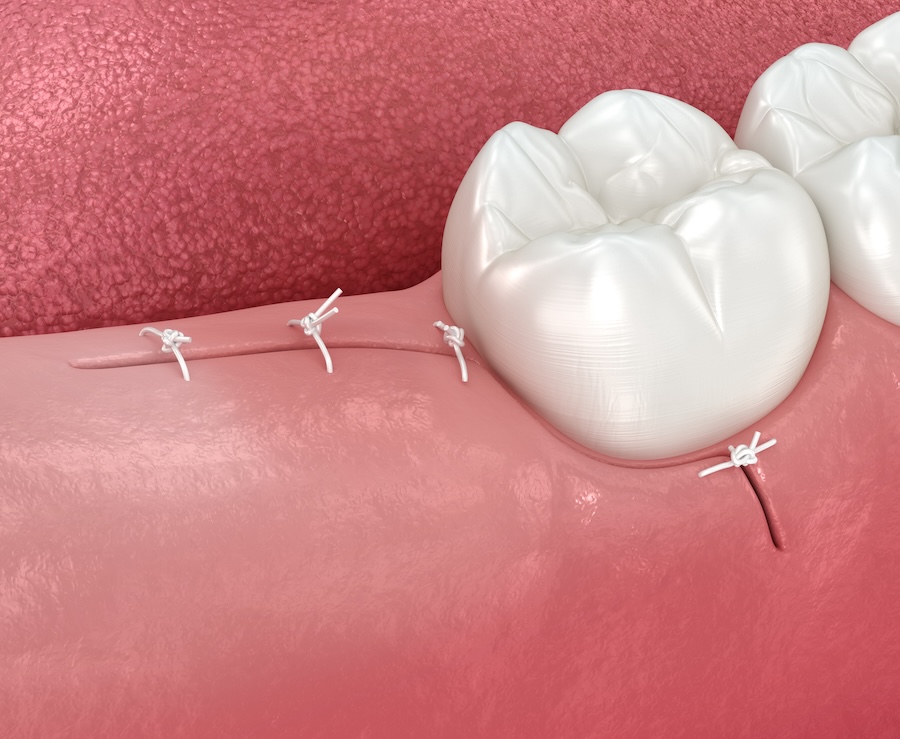
The first few hours after a tooth extraction can feel a little uncertain. You leave the office with gauze in place, your mouth still numb, and a list of instructions you’re trying to remember while also wondering what you’re actually allowed to eat. Even when the appointment goes smoothly, it’s normal to feel extra aware of the area and want to avoid doing anything that might slow healing down.
That’s where clear aftercare helps. Most extraction recoveries follow a pretty clear path, but the first day or two still matter. What you eat, how you clean the area, and how well you protect the blood clot can all affect how comfortable you feel as you heal.
At Cary Family Dental in Cary, IL, Dr. Niraj Patel takes time to explain what to expect after an extraction so patients can recover with fewer questions and less guesswork. While every case is a little different, the main goals are usually the same: protect the extraction site, manage soreness, and know when it’s time to call the office for guidance.
Why the First Day Matters so Much
After a tooth is removed, your body begins healing right away. A blood clot forms in the socket where the tooth used to be, and that clot acts like a natural bandage. It protects the bone and nerves underneath while the gum tissue starts to repair itself.
Because of that, the first day is mostly about protecting that clot. If it becomes dislodged too early, the area can become more painful and may take longer to heal. This is why dentists usually recommend avoiding straws, smoking, vigorous rinsing, and heavy spitting right after an extraction.
It may feel like a lot of small rules, but they all have the same purpose. They help keep the clot stable so healing can move forward without unnecessary setbacks. During this early stage, rest, gentle habits, and soft foods are usually the best combination.
What to Eat After a Tooth Extraction
Soft, easy-to-eat foods are the safest choice during the first stage of recovery. Foods like yogurt, applesauce, mashed potatoes, scrambled eggs, smoothies eaten with a spoon, oatmeal, pudding, and lukewarm soup can help you get calories without putting pressure on the extraction site.
Temperature matters too. Very hot foods and drinks can increase bleeding or irritate the area, especially during the first twenty-four hours. It’s better to stick with cool or lukewarm options until the site has had time to settle.
As you start feeling better, you can slowly add more foods back into your routine. However, it’s best to chew on the opposite side of your mouth and avoid anything that breaks into small sharp pieces. The goal is not to rush back into regular eating too quickly, but to make steady progress as the area heals.
Foods to Avoid While You Heal
Some foods are more likely to irritate the extraction site or get trapped in the socket. Crunchy foods like chips, popcorn, nuts, seeds, and hard crackers should usually be avoided at first. These can break into small pieces and disturb the healing area.
Sticky or chewy foods can also be a problem because they require more force to chew. Caramel, gum, tough meats, and chewy bread can pull at the area or make you accidentally bite while your mouth is still sore. Spicy foods may also sting or irritate the gum tissue during the early healing period.
It’s also wise to skip alcohol for at least the first day or as directed by your dentist, especially if you were prescribed medication. Alcohol can interfere with healing and may not mix safely with pain medicine. When in doubt, simple foods are usually the better choice until your mouth feels more normal.
How to Manage Bleeding After an Extraction
Some bleeding after a tooth extraction is expected. In most cases, your dentist will place gauze over the extraction site and ask you to bite down with steady pressure. This helps the clot form and keeps bleeding under control.
The key is gentle, consistent pressure. If the gauze becomes soaked, it can be replaced with a clean piece as directed. However, repeatedly checking the site or changing the gauze too often can disturb the clot, so it’s best to follow the instructions provided by the office.
Light oozing or pink saliva can happen for several hours. That is usually normal. However, if bleeding seems heavy, does not slow down with pressure, or starts again after it had stopped, it’s a good idea to call Cary Family Dental for guidance.
Pain, Swelling, and What Is Normal
Mild to moderate soreness is common after an extraction, especially once the numbness wears off. Some swelling or tenderness near the area may also happen, depending on the tooth and how involved the extraction was.
Cold compresses can help during the first day, especially if swelling is expected. Use them as directed, with breaks in between, rather than keeping ice on continuously. Over-the-counter pain relievers or prescribed medication may also be recommended, depending on your situation.
Most discomfort should gradually improve over the next few days. The important thing is the direction of the symptoms. If soreness is slowly getting better, that usually fits normal healing. If pain gets significantly worse after a couple of days, especially with a bad taste or odor, that may be a sign that the site needs to be checked.
Keeping the Area Clean Without Disturbing Healing
Oral hygiene still matters after a tooth extraction, but it needs to be handled carefully. For the first day, you will usually be told to avoid vigorous rinsing, spitting, or brushing directly over the extraction site. This helps keep the blood clot in place.
After the first twenty-four hours, gentle rinsing with warm salt water may be recommended. The key word is gentle. Instead of swishing forcefully, let the water move around your mouth and fall out into the sink without hard spitting.
You can usually continue brushing and flossing the rest of your teeth, taking care to avoid the extraction area until it has healed more. Keeping the rest of your mouth clean helps reduce bacteria and supports a smoother recovery.
Why Straws, Smoking, and Vaping Can Cause Problems
One of the most common aftercare instructions is to avoid using straws. The reason is suction. When you drink through a straw, that pulling force can dislodge the blood clot in the socket. If the clot comes out too soon, it can lead to a painful condition called dry socket.
Smoking and vaping can create similar problems. The suction can disturb the clot, and the chemicals can slow healing. Smoking also reduces blood flow, which the body needs during recovery.
This can be one of the harder instructions for some patients, but it matters. Avoiding straws, smoking, and vaping during the early healing period can lower the risk of complications and help the area recover more predictably.
How Long Tooth Extraction Recovery Usually Takes
The first few days are typically the most noticeable part of recovery. Soreness, mild swelling, and changes in eating habits are most common during this period. By the end of the first week, many patients feel much more comfortable, although the gum tissue may still be healing.
Full healing inside the socket takes longer. Even after the area feels better, the bone and gum tissue continue to repair beneath the surface. That is why it’s important to follow instructions even if you feel fine after a couple of days.
Your timeline may vary depending on the tooth, the reason for the extraction, your overall health, and whether the extraction was simple or more involved. Dr. Niraj Patel can let you know what to expect based on your specific situation.
When to Call Your Dentist
Some symptoms should be checked rather than ignored. Call Cary Family Dental if you have heavy bleeding that does not slow with pressure, pain that gets worse after the first couple of days, swelling that increases instead of improving, fever, pus, or a bad taste that does not go away.
You should also call if you think the blood clot came out or if you develop severe pain that radiates toward the ear or jaw. These can be signs of dry socket or another concern that may need treatment.
It is also okay to call if you are simply unsure. Recovery instructions can feel like a lot, especially if this is your first extraction. Getting a clear answer can help you avoid unnecessary worry and make sure healing stays on track.
Tooth Extraction Recovery in Cary, IL at Cary Family Dental
Recovering from a tooth extraction is mostly about giving your mouth the right conditions to heal. Soft foods, gentle cleaning, rest, and avoiding suction can all help protect the extraction site during the most important early stage.
At Cary Family Dental in Cary, IL, Dr. Niraj Patel provides clear aftercare instructions based on your procedure and your needs. If questions come up after your visit, the team is there to help you understand what is normal and what should be checked.
If you have an extraction scheduled, are recovering from one, or are dealing with symptoms that concern you, call Cary Family Dental to get guidance. A quick conversation or follow-up visit can help keep your recovery moving in the right direction.
FAQs
What can I eat the first day after a tooth extraction? Soft foods are best on the first day. Yogurt, applesauce, mashed potatoes, pudding, scrambled eggs, and lukewarm soup are usually easier to manage while the area is tender. Avoid hot, crunchy, spicy, sticky, or hard foods until your dentist says it is safe to add them back.
How long should I avoid using a straw after an extraction? Most patients are told to avoid straws during the early healing period because suction can disturb the blood clot. Your dentist will give you specific timing based on your extraction, but avoiding straws for the first several days is commonly recommended.
How do I know if I have dry socket? Dry socket often causes worsening pain a few days after the extraction, sometimes with pain that travels toward the ear or jaw. You may also notice a bad taste or odor. If pain gets worse instead of better, call your dentist so the area can be evaluated.
Is bleeding normal after a tooth extraction? Some bleeding or pink saliva is normal for several hours after an extraction. However, heavy bleeding that does not slow down with firm gauze pressure should be checked. If you are concerned about the amount of bleeding, call the office for instructions.
When can I brush my teeth after an extraction? You can usually brush the rest of your teeth carefully, but you should avoid brushing directly over the extraction site at first. After the first day, gentle saltwater rinses may be recommended to help keep the area clean without disturbing healing.
How long does it take to heal after a tooth extraction? Most people feel much better within a few days, but the socket continues healing below the surface for weeks. The exact timeline depends on the tooth, the type of extraction, and your overall health. Your dentist can give you a more specific estimate after your procedure.