
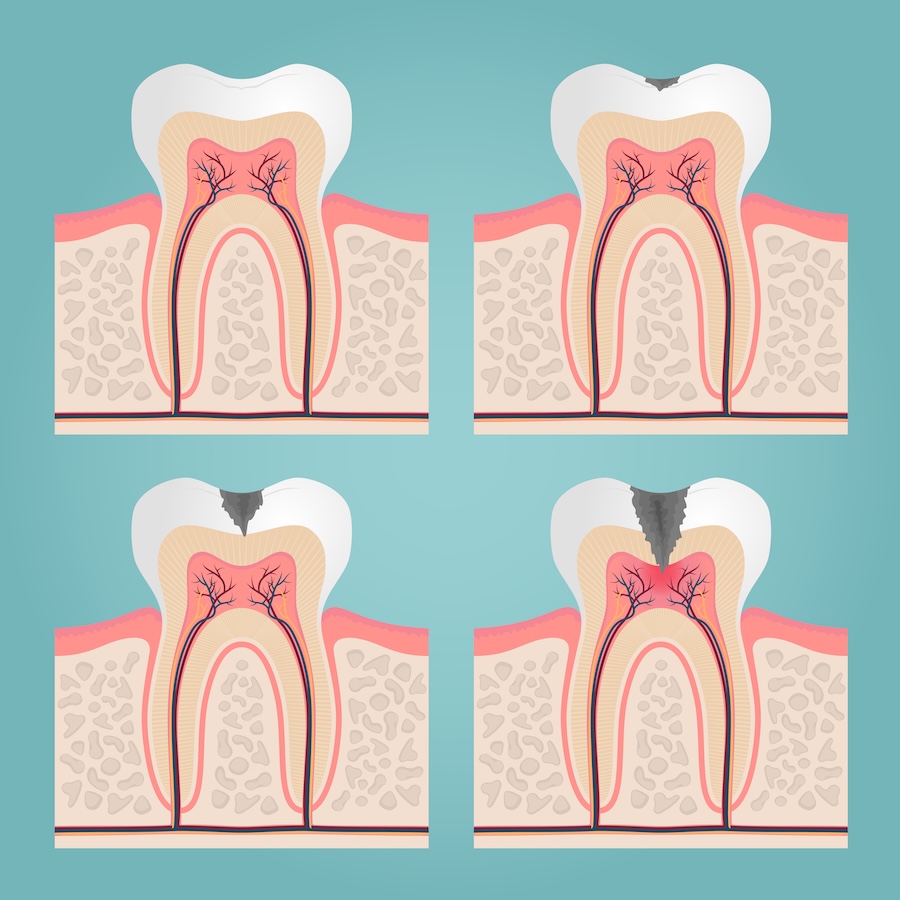
Most cavities don’t announce themselves in a way that’s obvious right away. There’s usually no sharp pain or clear signal in the beginning. Instead, people tend to notice small changes that are easy to overlook or explain away. You might find yourself chewing more on one side, avoiding very cold drinks, or noticing that a certain tooth just feels slightly different than it used to.
Over time, those small shifts become more consistent. What once felt occasional starts to feel familiar, even if it’s still mild. That’s typically when people begin to wonder whether something more is going on. In many cases, those early signs point to a cavity that can be treated with a simple filling.
At Cary Family Dental, patients often come in during this stage, unsure if treatment is necessary or if it can wait. After an exam, it’s common to find that addressing the issue early keeps things straightforward and helps avoid more involved care later on. Dr. Niraj Patel focuses on catching these concerns early and restoring the tooth in a way that feels natural and comfortable.
Tooth Sensitivity That Keeps Returning
One of the more noticeable early signs of a cavity is sensitivity that keeps coming back in the same area. You might feel it when drinking something cold, eating something sweet, or even when breathing in cool air on a windy day. While occasional sensitivity can happen, repeated discomfort in one spot is usually worth a closer look.
This happens because the outer layer of the tooth, known as enamel, starts to wear down in a specific area. Once that layer is compromised, the inner parts of the tooth become more exposed to temperature and sugar. As a result, you feel that quick, sometimes sharp reaction.
At first, the sensitivity may be brief and easy to ignore. However, as the cavity develops, the sensation can last longer or happen more frequently. Treating it early with a filling helps protect the tooth and reduces the chances of the sensitivity getting worse.
A Spot or Change in Color on the Tooth
Sometimes a cavity becomes noticeable through a visible change. You may see a darker spot, a faint shadow, or an area that doesn’t match the rest of the tooth. It doesn’t always look dramatic, and in many cases, it can be subtle enough to question whether it’s anything at all.
Not every spot is a cavity, but changes in color are one of the ways decay can show up. In some situations, the enamel remains mostly intact on the surface while decay forms underneath, which is why a professional exam is important even when there’s no discomfort.
At Cary Family Dental, exams are designed to look beyond what’s visible at a glance. This helps determine whether the area needs a filling or simply monitoring over time.
A Tooth That Feels Rough or Slightly Uneven
Your tongue is often the first to notice when something changes. If a tooth starts to feel rough, slightly jagged, or uneven compared to the others, it can be a sign that the enamel is breaking down.
This change in texture may come from small areas of decay that create pits or irregular surfaces. Even if there is no pain, that difference in how the tooth feels is often a reliable indicator that something is happening.
A filling can restore the smooth shape of the tooth and prevent the area from continuing to wear down.
Food Getting Stuck in the Same Spot
If food tends to collect in one specific area more than usual, it’s often a sign that something has changed in that space. Cavities can create small openings or weak spots where food becomes trapped more easily.
This can make the area harder to clean and may lead to irritation around the gums. Over time, it can also allow the cavity to grow if it’s not addressed.
Closing that space with a filling makes it easier to maintain good oral hygiene and helps prevent further decay.
Discomfort When Biting or Chewing
Not all dental pain is constant. In many cases, it only shows up when pressure is applied. You might notice a slight discomfort when biting into something firm or when chewing on one side of your mouth.
This type of pain can occur when a cavity weakens part of the tooth, making it more sensitive to pressure. Even if the discomfort is mild, it’s worth paying attention to because it often indicates that the tooth needs support.
A filling helps reinforce the structure of the tooth and can relieve that pressure-related discomfort.
What Happens During a Dental Filling Appointment
If a filling is recommended, the procedure is usually straightforward and designed to keep you comfortable throughout. The appointment begins with numbing the area around the affected tooth so that you don’t feel discomfort during the process.
Once the area is numb, the decayed portion of the tooth is carefully removed. This step is important because it eliminates the damaged material and prevents the decay from spreading further. After that, the space is cleaned thoroughly to ensure that no bacteria remain.
The filling material is then placed into the prepared area. It is shaped to match the natural contours of your tooth and adjusted so that your bite feels even. The final step involves smoothing and polishing the filling so it blends in and feels natural when you chew or speak.
Most patients are surprised by how manageable the process feels, especially when the cavity is treated early.
What to Expect After Your Filling
After your appointment, the numbness will gradually wear off over a few hours. During that time, it’s best to avoid chewing on the treated side to prevent accidentally biting your cheek or tongue.
Some mild sensitivity may occur for a short period, especially when eating hot or cold foods. This is normal and usually fades as the tooth adjusts. Within a few days, most people find that the tooth feels stable and comfortable again.
You can return to your regular routine the same day, with only minor adjustments. Continuing to brush, floss, and attend regular checkups helps maintain the filling and protect your overall oral health.
Why Addressing It Early Makes a Difference
Cavities tend to progress gradually, but they do not resolve on their own. What begins as a small area of decay can expand deeper into the tooth if it’s left untreated.
By addressing the issue early, treatment remains simple and preserves more of your natural tooth structure. Waiting too long can lead to more complex procedures, which often require additional time and care. Paying attention to early signs and acting on them helps keep dental care more predictable and manageable over time.
Dental Fillings in Cary, IL at Cary Family Dental
If you’ve noticed any of these signs or even if something just feels different than it used to, having it checked is a practical next step. At Cary Family Dental, the goal is to make the process clear, comfortable, and easy to understand from the start.
Dr. Niraj Patel takes time to walk through what’s going on, answer questions, and recommend treatment based on what actually makes sense for your situation. If a filling is needed, addressing it early can help keep the process simple and prevent more extensive treatment later.
If something has been on your mind, even if it seems minor, it’s worth scheduling a visit and getting a clear answer.