
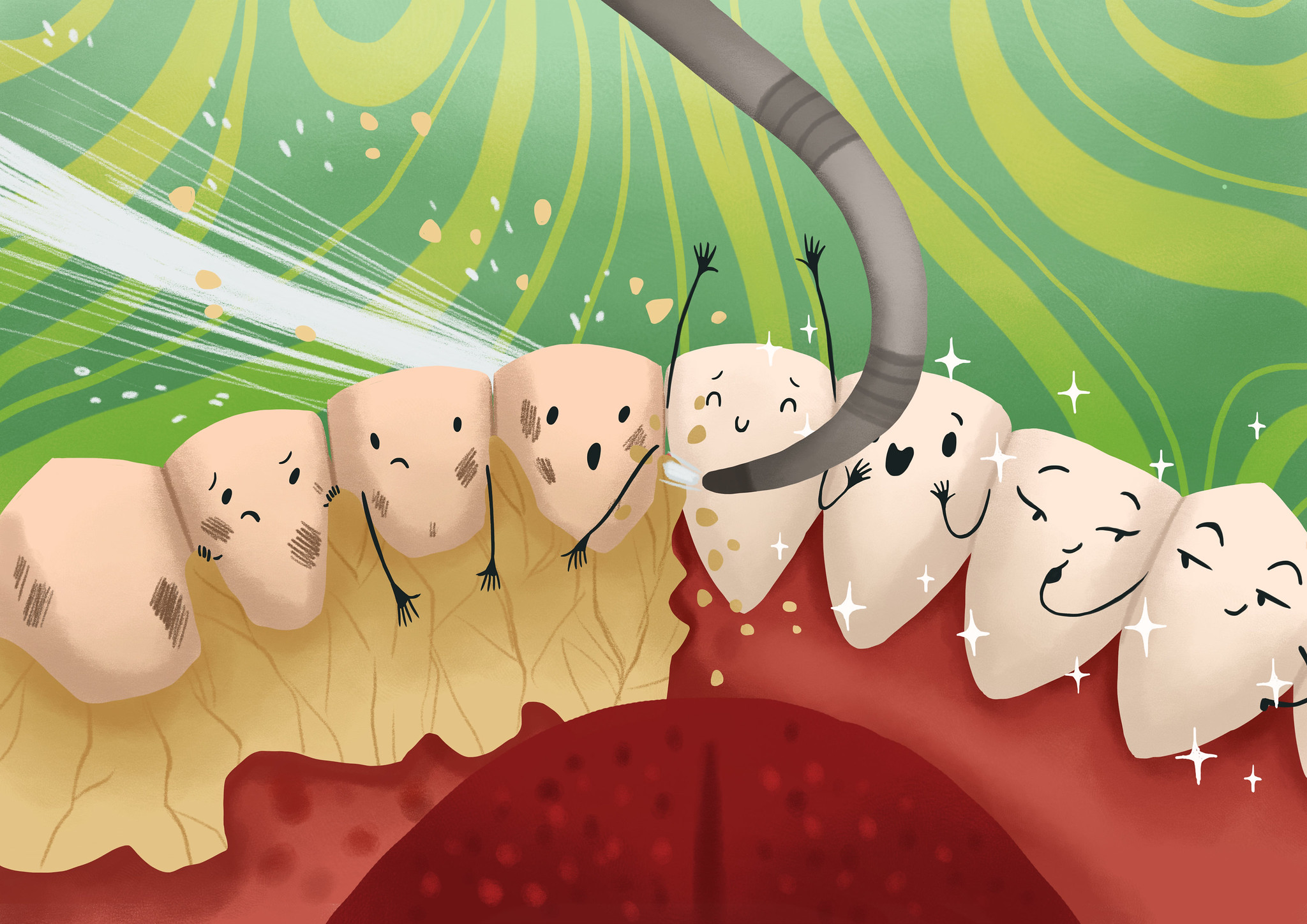
You may hear plaque and calculus mentioned during the same dental appointment, but they describe different forms of buildup. Plaque is a soft bacterial biofilm that forms on teeth throughout the day. When that film stays in place, minerals can harden it into calculus, also called tartar, which requires professional removal.
At Cary Family Dental in Cary, Illinois, Dr. Niraj Patel and our team check for both during your care. Along with locating the deposits, we examine the surrounding gums for bleeding, swelling, and changes in the tissues supporting your teeth. From there, we can recommend cleaning techniques and professional care that address the areas where buildup keeps returning.
How Plaque Becomes Calculus
Plaque is a biofilm—a sticky community of bacteria that attaches to tooth surfaces. As bacteria in that film use sugars from foods and drinks, they produce acids that can contribute to decay. Along and beneath the gumline, the biofilm can also trigger inflammation, causing gums to swell or bleed during cleaning.
Daily brushing and cleaning between teeth help disrupt and remove this soft biofilm. However, when plaque remains, minerals from saliva and other fluids in the mouth can gradually calcify it. The resulting hardened deposit is calculus, or tartar: a mineralized form of plaque that requires professional removal.
Once calculus forms, its rough surface provides more places for fresh plaque to attach and accumulate. As that new biofilm develops, bacteria continue contributing to inflammation around the deposit. Professional cleaning removes the hardened calculus, while daily home care helps control the soft plaque that begins forming again.
Why the Same Areas Keep Collecting Buildup
Crowded teeth, tight spaces, and the contours around crowns or fillings can make certain areas harder to clean. For example, your toothbrush may pass over a tooth while missing the edge where it meets the gum. Meanwhile, the surfaces between teeth need floss or another cleaning tool that can reach those spaces.
Calculus often develops behind the lower front teeth and along the cheek side of upper back teeth, near the openings of salivary glands. Since saliva supplies minerals that harden plaque, deposits can accumulate in these areas when plaque remains. You may feel a rough ridge with your tongue even though the rest of your teeth feel smooth.
Buildup can also collect beneath the gumline, where you cannot see or feel its full extent. At your appointment, we can identify those deposits and show you which accessible areas need more consistent cleaning at home. A smaller brush head, a different angle, or an interdental brush may help you reach a spot your current routine keeps missing.
How Buildup Affects the Gums
Bacteria in plaque trigger the body’s inflammatory response. At first, you may notice redness, swelling, or bleeding when you clean around the teeth. Removing plaque and calculus helps reduce the bacterial load so that inflammation can settle.
If periodontitis develops, the ongoing inflammatory response can damage the attachment and bone supporting your teeth. As that support changes, deeper pockets may form between the teeth and gums. Bacterial deposits can then accumulate farther beneath the gumline, beyond the reach of routine brushing and flossing.
To assess those areas, we measure around the teeth and check for bleeding, recession, and loss of attachment. When needed, X-rays help us evaluate the supporting bone. Together, these findings help Dr. Patel determine whether you need routine cleaning or periodontal treatment to address deeper deposits and inflammation.
Why Calculus Needs Professional Removal
If you feel a hard, rough deposit, leave its removal to your dental team. Scraping with a sharp tool or an online cleaning kit can injure the gums or damage exposed root surfaces. Deposits beneath the gumline are also difficult to locate and remove thoroughly without professional instruments and training.
While you wait for your appointment, continue brushing gently and cleaning between your teeth. Although hardened calculus will remain until we remove it, your daily routine can reduce the soft plaque forming around it. Once we clean the deposits professionally, ongoing home care helps limit new accumulation.
How to Slow the Buildup
Brush twice a day with fluoride toothpaste and clean between your teeth daily. As you brush, give the gumline, tongue-side surfaces, and back molars enough time. Following the same order each day can help you reach the areas that tend to get rushed.
If floss is difficult to handle or leaves certain spaces feeling unclean, ask us about other options. Depending on the spacing and dental work in your mouth, an interdental brush, floss threader, or water flosser may fit your needs. We can demonstrate how to use the tool around the specific areas you struggle to reach.
Along with daily cleaning, keep the professional visit schedule recommended for your gums. Patients who have received treatment for periodontitis typically need periodontal maintenance every three to four months. These visits let us remove recurring deposits beneath the gumline and help control the bacteria and inflammation in areas that home care cannot adequately reach.
Plaque and Tartar Care in Cary, Illinois
Daily cleaning removes soft plaque, while professional care addresses hardened calculus and deposits beyond your reach. At your visit, Dr. Niraj Patel and our team can check where buildup is collecting and how your gums are responding. We can then explain any treatment you need and help you adjust your routine around those areas.
If you feel rough buildup or notice recurring gum bleeding, schedule a visit with Cary Family Dental in Cary, Illinois. Bring your questions about the spot behind your front teeth or the space that is difficult to floss. We would love to help you get those areas clean and keep your teeth and gums healthier between visits!
Image from Authority Dental under CC 2.0