
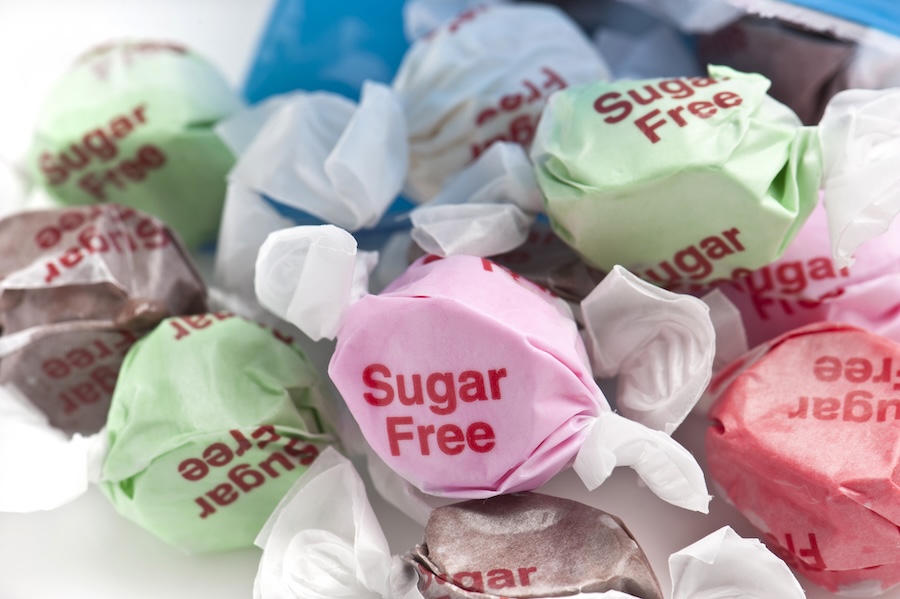
Swapping regular candy for a sugar-free version seems like an easy way to cut back on sugar without giving up something sweet. For your teeth, that swap can reduce the sugar that cavity-causing bacteria feed on. However, a sugar-free sour candy can still expose enamel to acids, and crunching a hard mint can still leave you with a chipped tooth.
At Cary Family Dental in Cary, Illinois, Dr. Niraj Patel and our team can help you sort through those differences. We consider how often you reach for candy or mints, along with your cavity history, saliva flow, and existing dental work. A few mints after meals and a bag of sour candy that stays open on your desk give your teeth very different exposures.
How Sugar-Free Candies Affect Cavity Risk
Plaque is a bacterial biofilm that collects on your teeth throughout the day. When bacteria in that film use sugars from foods and drinks, they produce acids that remove minerals from tooth surfaces. Repeated exposure can eventually lead to a cavity.
Many sugar-free candies use alternatives such as xylitol or sorbitol, which support less acid production than regular sugar. Choosing these products in place of sugary candy can therefore reduce one source of cavity risk. The benefit comes from replacing the sugar your teeth would otherwise encounter.
You will often find these sweeteners listed among the ingredients in sugar-free mints, gum, and candy. Meanwhile, the same package may also list acids that give the product a sour or fruity flavor. Both ingredients affect your teeth, though they do so in different ways.
Sugar-Free Sour Candy Can Still Be Acidic
The tang that makes sour candy appealing comes from acids in the candy itself. Those acids contact your teeth directly and can gradually wear away enamel through a process called erosion. With frequent exposure, teeth may become more sensitive as the protective enamel thins.
How you eat the candy affects that exposure too. Having a piece occasionally gives your mouth more time to recover than reaching into the bag throughout the afternoon. Slowly sucking on an acidic candy also keeps it in contact with your teeth for longer.
After sour candy, rinse your mouth with water to help clear away the acids. Give your saliva time to neutralize the acidity before brushing, since brushing immediately after an acidic exposure can contribute to wear. Between snacks, water gives your teeth a break from both sugar and acid.
Hard Candy Can Chip a Tooth
A sugar-free mint still puts pressure on a tooth when you bite down on it. If that tooth has a large filling, a crack, or a weakened edge, it may chip before the candy does. Crowns and other dental work can also suffer damage from repeatedly crunching hard foods.
If you habitually bite the last bit of a mint or lozenge, choose an option you can enjoy without crunching. And if biting has started to hurt, bring that up at your appointment. We can check for a crack, damaged filling, or another problem that may explain the discomfort.
What About Sugar-Free Gum?
Chewing sugar-free gum increases saliva flow, which helps wash away food residue and neutralize acids after eating. Saliva also supplies minerals that help tooth surfaces recover from acid exposure. Some sugar-free gums carry the ADA Seal of Acceptance for their demonstrated oral health benefits.
For patients who can chew comfortably, sugar-free gum can be an addition to the routine after a meal. Daily brushing with fluoride toothpaste and cleaning between teeth still remove plaque from areas gum cannot clean. If chewing leaves your jaw sore or tired, skip the gum and discuss those symptoms with our team.
Eating More Can Bring Other Problems
Some sugar alcohols can cause gas, bloating, or diarrhea when eaten in larger amounts. You might tolerate a few pieces comfortably and feel quite different after working through most of a bag. Check the serving information, and pay attention to how much you are eating over the course of the day.
If you reach for lozenges because your mouth keeps feeling dry, mention that during your visit too. Reduced saliva flow leaves teeth more vulnerable to decay and can make swallowing or speaking uncomfortable. We can review your symptoms and medications, then discuss ways to relieve dryness and protect your teeth.
Choosing Candy That Fits Your Habits
Start with the candy or mint you already reach for most often. Is it sour, do you crunch it, or does one piece stay in your mouth for a long time? Those details can help you spot where a different choice or a change in frequency might reduce the strain on your teeth.
For example, replacing a sugary mint with a sugar-free, nonacidic option may reduce repeated sugar exposure. Keeping it with meals instead of reaching for another every few minutes can also shorten the time your teeth spend in contact with it. Meanwhile, regular brushing, cleaning between teeth, and professional visits help control the plaque that continues to form.
Food Choices and Dental Health in Cary, Illinois
Sugar-free candy can be a better choice for cavity prevention when it replaces a sugary product, but acidity and hardness still affect your teeth. Your habits matter here: slowly eating sour candy all afternoon is different from having a sugar-free mint after lunch. At your visit, Dr. Niraj Patel and our team can discuss those habits alongside any sensitivity, dry mouth, or dental work you have.
If your favorite candy or mint has you wondering, bring the package or a photo of its ingredients to Cary Family Dental in Cary, Illinois. Schedule a visit so we can check any symptoms and help you choose options that are easier on your teeth. We would love to help you enjoy something sweet while keeping your smile healthy and comfortable!