
A toothache can quietly start changing your routine before you realize how much attention you are giving it. You may begin chewing on the other side, waiting for coffee to cool, or avoiding anything crunchy because one tooth has become too unpredictable. Then, just when it seems to settle down, it may start throbbing again.
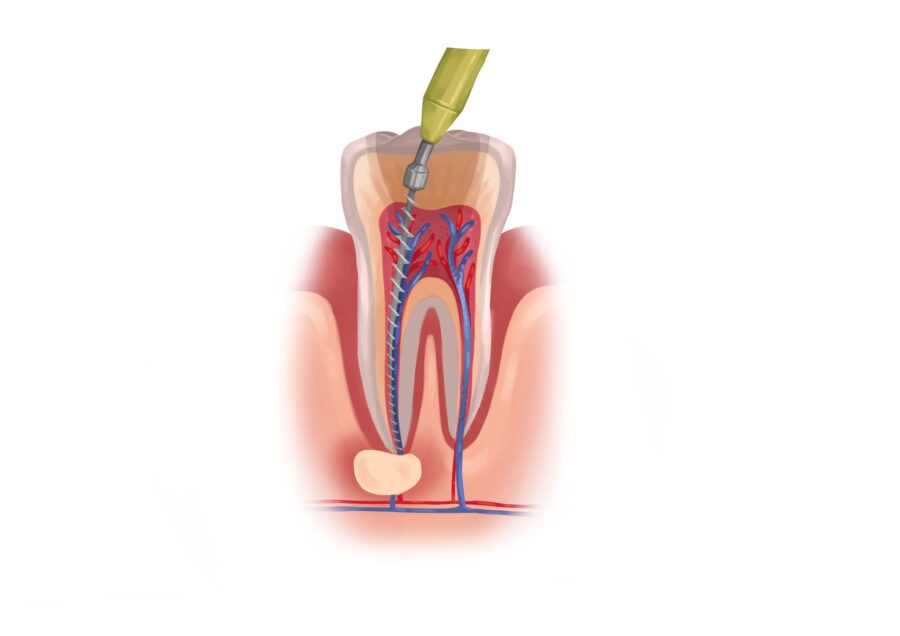
At Cary Family Dental in Cary, IL, Dr. Niraj Patel may recommend root canal therapy when the tissue inside a tooth has become badly inflamed or infected but the tooth itself can still be saved. Instead of removing the entire tooth, treatment cleans out the damaged tissue inside the root canals and seals the space. Afterward, the tooth can often be restored and kept as part of your natural bite.
If you have been told you may need a root canal, the name alone may bring up some old stories or less-than-pleasant mental images. However, modern root canal treatment is often much more routine than people expect. Knowing what is actually happening inside the tooth, what treatment feels like, and what comes afterward can make the whole process easier to picture.
Why a Tooth May Need Root Canal Therapy
Inside every tooth is a softer area called the pulp, which contains nerves, blood vessels, and connective tissue. Deep decay, a crack, repeated dental work, or an injury can irritate that tissue and eventually lead to inflammation or infection. Once the pulp is too damaged to recover, a filling or crown alone cannot reach what is happening inside.
Because the pulp can react differently depending on the type and extent of damage, symptoms can vary quite a bit. You may notice lingering pain after hot or cold drinks, tenderness when biting, swelling around the gum, or a small bump near the tooth. On the other hand, some teeth become quieter after the nerve tissue stops responding, so less pain does not always mean the problem has resolved.
For that reason, Dr. Patel looks at more than one symptom. He may examine the tooth, review X-rays, check the surrounding gums, and compare how the tooth responds with nearby teeth. Together, those findings help show whether the pulp can still recover or whether treatment inside the tooth is needed.
When One Tooth Starts Running the Show
Dental pain can be surprisingly easy to work around at first. Maybe you stop putting ice in your water, move every bite to the other side, or start cutting firmer foods into smaller pieces. Before long, one tooth has quietly rewritten the way you eat.
Pain when biting can happen when inflammation has reached the tissues around the root. Likewise, lingering sensitivity can point to a problem, especially when the ache continues after the hot or cold food is gone. Meanwhile, swelling or tenderness near the gum deserves attention even if the tooth itself is not hurting constantly.
When you come in, tell Dr. Patel what the tooth is doing during normal life. Saying, “It hurts when I bite into bread,” or “Cold water makes it throb for half a minute,” gives him much more context than simply saying the tooth hurts. If the pain wakes you up at night or seems worse at certain times, mention that too.
How Root Canal Therapy Can Save the Tooth
When the tooth still has enough strength and support, root canal therapy can treat the problem inside without removing the entire tooth. Dr. Patel removes the inflamed or infected pulp, cleans and shapes the narrow canals inside the roots, and then seals them. The remaining tooth stays in place and can continue to function once it is properly restored.
By keeping the tooth, you also keep the natural root in your jaw. As a result, you avoid creating a new space that may need to be replaced with an implant, bridge, or removable option. For many teeth, preserving what is already there can be a very practical outcome.
Still, root canal therapy cannot save every tooth. If a fracture extends too far down the root or too little of the tooth remains above the gumline, extraction may be necessary. Dr. Patel looks at whether the tooth can be restored after the root canal, not just whether the infection itself can be treated.
What Happens Before Treatment Starts
Before the procedure, Dr. Patel needs a clear picture of the tooth and its roots. X-rays help show the root shape, the surrounding bone, and changes around the tip of the root that may suggest infection. He will also look at previous fillings, crowns, cracks, and anything else that could affect treatment.
Along with that, be sure to mention health changes, medications, allergies, or anything new since your last visit. If the swelling has come and gone, say so, even if the area happens to look calm that day. Teeth are not always considerate enough to put on their worst performance during the appointment.
Once Dr. Patel has examined everything, he can explain whether root canal therapy is the right treatment and what the tooth is likely to need afterward. If a crown or another restoration will be part of the plan, you can talk about that before the root canal is completed. That keeps the treatment connected from beginning to end.
What Root Canal Treatment Feels Like
Root canal therapy has a reputation that tends to make people imagine the worst before they ever sit down for treatment. In reality, many patients are surprised that the appointment feels much more routine than they expected. Once the tooth and surrounding area are thoroughly numb, you may feel pressure or movement, but you should not feel sharp pain.
As Dr. Patel works, most of the treatment is focused inside the tooth, where the inflamed or infected tissue is being removed and the root canals are cleaned. If you are nervous, let us know before we begin so we can explain what to expect and make sure the area is fully numb before moving forward. Quite often, the toothache that brought you in is more memorable than the root canal itself.
Next, Dr. Patel cleans, shapes, and seals the narrow spaces inside the roots. Although the work is very detailed, most of it is happening in spaces much smaller than anything you could see by looking at the tooth in the mirror. Depending on the tooth and its condition, treatment may be completed in one visit or may require additional care.
For example, a front tooth may have a simpler root shape than a molar with several canals. Because of that, treatment time and complexity can vary from one tooth to another. Dr. Patel can explain what your particular appointment is likely to involve before getting started.
Why the Tooth May Feel Tender Afterward
After the procedure, once the numbness begins to wear off, some tenderness around the tooth can be expected for a few days. The tissues around the root may already have been irritated before treatment, and they need some time to settle afterward. You may notice the tooth more when biting than when you are simply sitting still.
For a short period, softer foods and chewing on the opposite side can be more comfortable. Follow Dr. Patel’s instructions about eating and any medications he recommends. The day after a root canal is probably not the ideal time to test the tooth with the crunchiest snack in the kitchen.
As the area heals, discomfort should gradually ease rather than build. However, if pain becomes stronger, swelling appears, the bite suddenly feels high, or a temporary filling or crown comes loose, call Cary Family Dental. Dr. Patel may want to check the tooth and make sure healing is moving in the right direction.
The Final Restoration Finishes the Job
Root canal therapy treats the inside of the tooth, but the outside may still need significant repair. Many teeth that need root canals have already lost structure from decay, a fracture, or a large older filling. Because of that, a crown or another restoration may be recommended after treatment.
Back teeth, especially molars, handle a lot of chewing pressure. If one has already been weakened, sending it straight back to full duty without enough protection can increase the chance of fracture. A final restoration helps reinforce the tooth so it can return to normal use.
Until that restoration is finished, treat the tooth with a little extra care. A temporary filling or temporary crown is meant to bridge the gap between appointments, not serve as the permanent ending. Once the final restoration is in place, the tooth is much better prepared for everyday chewing.
Why a Crown May Still Be Needed
People sometimes wonder why they need a crown after the root canal has already taken care of the infection. The two treatments address different parts of the same tooth. Root canal therapy treats the inside, while the crown protects the weakened outer portion that takes the force of chewing.
For example, imagine a molar with a large cavity that has reached the pulp. The root canal can remove the damaged tissue inside, but it cannot replace the enamel and dentin already lost to decay. If a large portion of the chewing surface is missing, the tooth still needs reinforcement afterward.
Dr. Patel can show you how much tooth remains and explain what restoration fits the situation. If a crown was already present before the root canal, he will check its condition as well. Depending on what he finds, the existing crown may or may not be reusable.
What If the Tooth Suddenly Stops Hurting?
A tooth can hurt badly for several days and then become strangely quiet. That can be confusing, especially if you were already planning to have it checked. However, when the pulp becomes severely damaged, the nerve tissue may stop responding even though infection is still present.
So, if the tooth was throbbing all weekend and feels almost normal by Monday morning, keep the appointment. Tell Dr. Patel what happened and when the pain changed. That timeline can tell him quite a bit about what may be happening inside the tooth.
Similarly, if a small gum bump drains and then disappears, mention it even if the gum looks completely normal when you arrive. If it has happened more than once, that history is worth sharing. Dental problems do not always keep office hours.
What If the Tooth Already Had a Root Canal?
A tooth that had root canal therapy years ago can occasionally develop a new problem. New decay, a fracture, or leakage around an older restoration can allow bacteria back into the tooth. In some cases, retreatment may still give the tooth another chance.
If an old root canal tooth becomes tender, starts hurting when you bite, or develops swelling nearby, bring it in. Dr. Patel can examine the restoration, the root, and the tissues around it to see what has changed. Depending on the situation, he may recommend additional treatment or referral to an endodontic specialist.
If you remember roughly when the previous root canal was completed, that can help too. A tooth that was comfortable for ten years and suddenly acts up tells a different story from one that never quite settled after treatment. Even a rough timeline gives Dr. Patel another clue to work with.
When Root Canal Therapy May Not Be Enough
Root canal therapy works best when the tooth still has a solid enough foundation to restore afterward. If the root is badly fractured, the tooth is split, or damage extends too far below the gumline, treating the pulp may not leave a tooth that can function well. In those cases, extraction may be the healthier option.
Bone and gum support also play a role. A tooth with severe periodontal damage may not have enough support even if the infection inside can technically be treated. Dr. Patel considers the root, the surrounding tissues, the bite, and the remaining tooth together before recommending treatment.
If extraction turns out to be necessary, however, the conversation does not stop there. Dr. Patel can also discuss what may happen with the space afterward, including whether replacement should be considered. That allows the decision to fit into a larger plan for your bite rather than treating one tooth in isolation.
When a Toothache Keeps Changing Your Routine
People can become surprisingly resourceful when one tooth hurts. You start chewing on the opposite side, skip cold drinks, keep pain relievers nearby, and slowly figure out which foods are least likely to set it off. Before long, you may be planning meals around one tooth without really meaning to.
However, those workarounds do not address what is happening inside the tooth. If pain, swelling, temperature sensitivity, or tenderness keeps coming back, it is worth having the area checked. Waiting can allow inflammation or infection to progress, which may make the tooth harder to treat later.
Even if you are not sure whether the problem sounds like a root canal, tell Dr. Patel what you have been feeling, how long it lasts, and what seems to trigger it. He can compare those symptoms with the exam and X-rays and see what treatment actually fits. You do not have to spend another week experimenting with which side of your mouth can handle dinner.
Root Canal Therapy at Cary Family Dental in Cary, IL
If one tooth has started deciding which side you chew on, what temperature your coffee can be, or whether you sleep through the night, bring it in for an evaluation. Dr. Niraj Patel can examine the tooth, review the X-rays, and determine whether root canal therapy could allow you to keep it. If another treatment fits the situation better, he can explain that as well.
At Cary Family Dental in Cary, IL, we want the treatment to make sense before you get started. Dr. Patel can walk you through what is happening inside the tooth, what the procedure involves, and what restoration may be needed afterward. Root canal therapy may have an intimidating reputation, but the actual appointment is often much more manageable than people build it up to be.
If a tooth has been throbbing, lingering after cold drinks, hurting when you bite, or flaring up on and off, schedule a visit with Cary Family Dental. We can find out what is causing the trouble and see whether the tooth still has a good path forward. Give us a call—we would be glad to welcome you in and help you get that troublesome tooth taken care of!
Image from Authority Dental under CC 2.0