
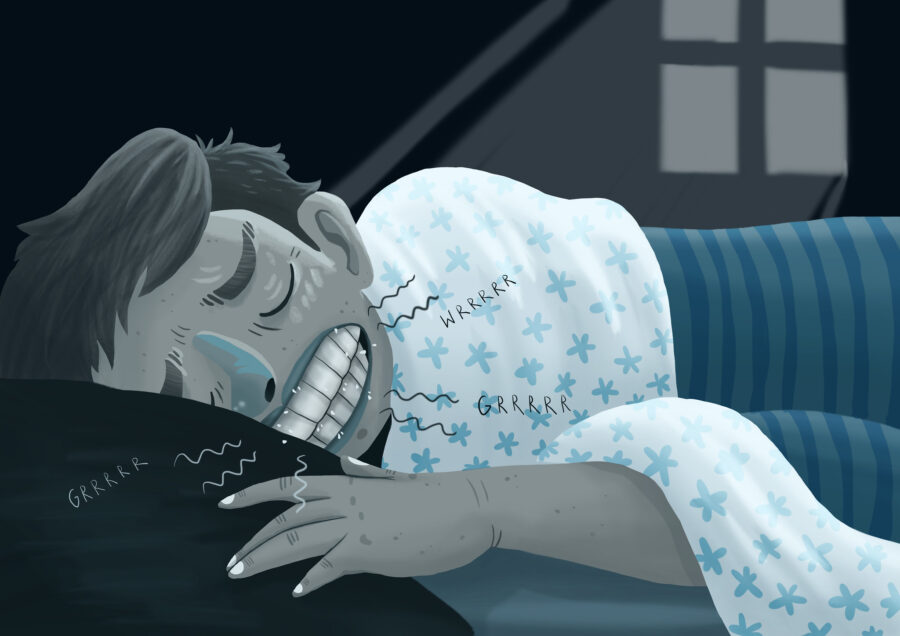
Teeth grinding has a way of going unnoticed until it starts causing problems. It’s not always something you hear or feel in the moment. More often, it shows up in small ways over time—your jaw feels tight in the morning, your teeth seem more sensitive than they used to, or your dentist points out wear that wasn’t there before. By the time it’s brought up, it’s usually been happening for a while in the background.
If you’ve been told you’re grinding your teeth, or you’re starting to notice those changes, the goal isn’t just to confirm it—it’s to understand why it’s happening and what can actually be done to stop the damage from continuing.
How to Stop Grinding Your Teeth Starts With Understanding the Cause
One of the reasons teeth grinding can be frustrating is that it doesn’t come from a single source.
For some patients, it’s tied to stress and muscle tension that carries into sleep. For others, it’s related to how the teeth come together or how the jaw naturally positions itself at rest. In some cases, grinding is connected to disrupted sleep patterns or breathing issues that trigger the body to clench or shift during the night.
Because of that, treatment isn’t about finding one quick fix. It’s about identifying what’s most likely contributing in your case and addressing it from there. During a comprehensive dental exam, we look for signs like enamel wear, small fractures, gum recession, and jaw tenderness. These details help point toward patterns that aren’t always obvious otherwise.
Protecting Your Teeth Is the First Step
Even if the cause takes time to sort out, protecting your teeth needs to happen right away.
Grinding places a significant amount of force on the teeth—often more than what happens during normal chewing. Over time, that pressure can wear down enamel, flatten the edges of teeth, and lead to cracks that may eventually require restorative treatment.
A custom nightguard is usually the most effective way to prevent that damage. It acts as a barrier between your upper and lower teeth, absorbing some of that pressure and reducing the direct contact that causes wear. It also helps take strain off the jaw muscles, which can make mornings feel noticeably better.
Store-bought guards are available, but they tend to be bulkier and less precise. A custom-fit guard is designed around your bite, which makes it more comfortable to wear consistently—and consistency is what actually protects your teeth over time.
Daytime Clenching Is Often Part of the Picture
Nighttime grinding gets most of the attention, but what happens during the day matters just as much.
Many patients clench their teeth without realizing it, especially when they’re concentrating, driving, or dealing with stress. That constant pressure adds up, and it often carries into sleep.
Becoming aware of that habit is an important step. Your teeth should only touch when you’re eating. If they’re resting together throughout the day, that’s usually a sign of unconscious clenching. Making a small adjustment—keeping your teeth slightly apart and your jaw relaxed—can reduce how much tension builds over time.
Your Bite and Tooth Alignment Can Contribute
In some cases, grinding is influenced by how your teeth come together.
If certain teeth make contact earlier or more forcefully than others, it can create an imbalance. The jaw may compensate for that imbalance by shifting or clenching, especially during sleep when those movements aren’t controlled.
This isn’t always something you can feel on your own, but it’s something we evaluate during exams. If needed, treatment might involve small adjustments, repairing worn areas, or discussing longer-term options to improve how the bite functions overall.
Sleep and Breathing Factors Shouldn’t Be Overlooked
Grinding is sometimes connected to what’s happening with your breathing at night.
Conditions like sleep apnea can lead to repeated interruptions in breathing, and the body may respond by clenching or grinding as it tries to reopen the airway. Patients in this situation may also notice snoring, waking up tired, or feeling like their sleep isn’t restful.
When those patterns are present, it’s worth looking beyond just the teeth. In some cases, oral appliance therapy can help support the airway while also reducing the effects of grinding. It’s not the right solution for everyone, but it’s part of the conversation when the signs point in that direction.
Signs That Grinding Is Affecting Your Teeth
Grinding doesn’t always feel obvious, but it leaves behind patterns.
You may notice your teeth looking flatter than they used to, small chips along the edges, or sensitivity when eating or drinking. Jaw soreness, especially in the morning, is one of the more common signs, along with tension headaches that ease as the day goes on.
Sometimes, these changes are first noticed during a routine cleaning and exam, before they’ve caused noticeable discomfort. Catching those signs early makes it easier to prevent more significant damage.
Why It’s Important to Address Grinding Early
Grinding tends to be gradual, but the effects are cumulative. Enamel doesn’t grow back once it’s worn down, and cracks can deepen over time if the pressure continues. What starts as minor wear can eventually lead to more involved treatment, such as crowns or other restorative work, if it’s left unchecked.
Addressing it early doesn’t mean solving everything at once. It means protecting your teeth now while working toward reducing the cause over time.
Teeth Grinding Treatment in Cary, IL at Cary Family Dental
At Cary Family Dental in Cary, IL, Dr. Niraj Patel works with patients to identify the signs of grinding and understand what’s contributing to it. The goal is to create a plan that protects your teeth while addressing the underlying factors in a practical way.
If you’ve been waking up with jaw discomfort, noticing changes in your teeth, or have been told you’re grinding, scheduling a visit is a good place to start. A comprehensive dental exam can help connect those symptoms to what’s happening and outline next steps that make sense for you.
Image from Authority Dental under CC 2.0